
Toll FREE: 1.877.965.2140
International: 1.805.322.0005

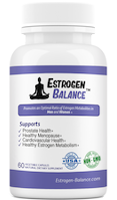
Estrogen Balance®
As low as $21.95 per bottle
What is Estrogen Balance®
Estrogen Balance® is a Natural Formula, intended for BOTH men and women to support a healthy ratio of "good" to "bad" estrogen metabolites.
Estrogen Balance® promotes:
- healthy cell growth and cardiovascular health in both men and women
- prostate health in men
- uterine, cervical and breast health in women
The key to the supportive properties of Estrogen Balance® is it's unique combination of:
- DIM
- Quercetin
- Flax Seed
Together, these ingredients work synergistically and with greatly increased overall bioavailbility.
That is why NHS Global Distributors, Inc has uniquely formulated them together in Estrogen Balance®

Estrogen Metabolism:
Many people don't know this, but men and women actually have the exact same hormones, just in different amounts. So both men and women have estrogen. Actually there is no "estrogen" per se . . . "estrogen" is just a convenient term which refers to the whole class of hormones collectively known as estrogens. There are actually three basic estrogens:
- E3 (estriol) - the least powerful and most beneficial, comprises 80-90% of human estrogen
- E2 (estradiol) - the most powerful and most carcinogenic
- E1 (estrone) - has similar properties to estradiol but is considerably less biologically active
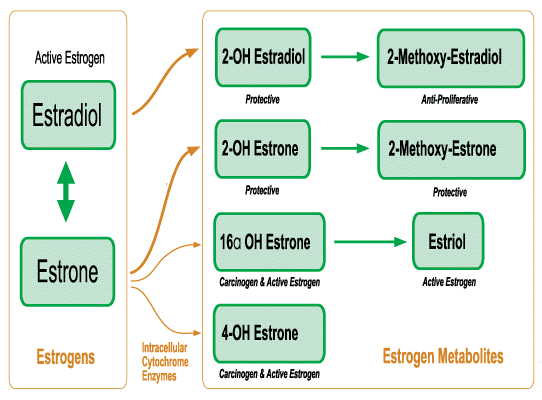
With anti-estrogens in our blood, estrogen metabolism is aerobic. This very efficient metabolism results in the predominance of 2-hydroxy and 2-methoxyestrogens. These "good estrogen" metabolites function as antioxidants.
Without anti-estrogens in our blood, estrogen metabolism is anaerobic. This very inefficient metabolism results in a predominance of 16-hydroxy estrone and 4-hydroxy estrone. These "bad estrogen" metabolites act negatively to allow oxidation.
When "good" estrogen metabolites are increased, there is a simultaneous reduction in the levels of "bad" estrogen metabolites,
Estrogen Dominance
To understand the supportive properties Estrogen Balance® has, it is important to first understand what "estrogen dominance" is and why it is such an unhealthy condition for both men and women.
Many researchers including John R. Lee, M.D, Dr. Jesse Hanley and Dr. Peter Eckhart have concluded that an over abundance of estrogen is responsible for a vast number of today's health problems. This over abundance of estrogen is referred to as "estrogen dominance" and is an increasingly serious problem for both women and men. Dr. Lee believes that "estrogen dominance" is a contributing factor in early age heart attacks as well as in the development of both prostate enlargement and prostate cancer in men and a big risk factor for both breast cancer and uterine cancer in women.
"Estrogen dominance" can occur as we age and can also occur from exposure to "estrogen like" substances in the environment known as "xenoestrogens".
Xenoestrogens are synthetic substances that differ from those produced by living organisms and imitate or enhance the effect of estrogens. The estrogenic stimulation is an unintended side-effect of these agents or their metabolites. Xenoestrogens are part of a heterogeneous group of chemicals that are hormone or endocrine disruptors. They differ from phytoestrogens (estrogenic substances from plants), mycoestrogens (estrogenic substances from fungi), and pharmacological estrogens (estrogenic action is intended). External estrogens from a variety of sources may have a cumulative effect upon living organisms, and xenoestrogens may be part of a larger picture of a process of estrogenization of the environment. Xenoestrogens have only been recently (less than 70 years) introduced into the environment, as produced by industrial, agricultural, and chemical companies.
Xenoestrogens have been implicated in a variety of medical problems. Foremost is the concern that xenoestrogens as false messengers disrupt the process of reproduction. Studies have implicated observations of disturbances in wildlife with estrogenic exposure. Reproductive issues which are of concerns in humans are fetal exposure (perhaps leading to hypospadia) and decreased reproductive ability in men (i.e. decrease in sperm numbers). Another issue is the potential effect of xenoestrogens as oncogenes, specifically in relation to breast cancer.
Xenoestrogen Environmental Sources includes:
-
commercially raised meat
(beef, chicken and pork) - canned foods
- plastic food wraps
- plastic drinking bottles
- styrofoam cups
- personal care products
-
all artificial scents
(air fresheners, perfumes, etc) - cosmetics
- birth control pills and spermicide
- detergents
- pesticides and herbicides
- paints, lacquers and solvents
Estrogen Dominance in Men
As men age, their levels of estrogen rise especially the two most dangerous and potent estrogens - estrone and estradiol. This phenomenon is now identified as "andropause". A man over 50 literally has more estrogen than his postmenopausal wife! The prostate is embryologically the same as the uterus in females; and research studies have shown that like the uterus, when prostate cells are exposed to excess estrogen, the cells proliferate and become cancerous. In fact it is becoming clear that the excess of estrogen in aging men is responsible for a variety of problems such as adiposity, breast development, many cancers, prostate problems, baldness and many other problems commonly associated with advanced age.
Men also produce progesterone, but only about half the amount that females do. During the aging process, progesterone levels in men fall, especially after age 60. Progesterone is the primary precursor of the male hormone testosterone, which is an antagonist to estradiol (E2) and a protector against certain types of cancer. Progesterone is vital to good health in both women and men.
The concurrent increase of estrogen levels and decrease of progesterone levels creates a very serious hormonal imbalance which is very unhealthy. Either one of these hormonal level changes would be bad enough, but both changes occurring together leads to a vicious cycle:
Because progesterone is the chief inhibitor of an enzyme called 5-alpha reductase that is responsible for converting testosterone to dihydrotestosterone (DHT), when the level of progesterone falls in men, the amount of conversion from testosterone to DHT increases. Increased levels of DHT lead to prostate enlargement and also an increased risk of cancer due to the decrease cancer protection that testosterone provides.
As the level of DHT increases (and testosterone decreases), the relative level of estradiol in men increases. Estradiol, turns on BCL2 oncogene (onco means cancer) and increases the risk of prostate cancer. This is compounded by the fact that there are inadequate amounts of progesterone there to exhibit it's counteracting effect of stimulating the P53 cancer protection gene.
Like perimenopausal women, men experience a tendency to gain weight in midlife. Rising estrogen production can result, since fat cells contain the aromatase enzyme that converts testosterone into estrogen. Unmetabolized estrogen creates a vicious cycle resulting in further estrogen production. This occurs because fat is one source of more active aromatase enzymes, causing further estrogen production and continuing weight gain.
Estrogen Dominance in Women
Though we think of declining estrogen as the hallmark of menopause, it's actually common for women to experience surges of abnormally high estrogen levels during the menopausal and premenopausal periods, as well as earlier in life. Dr. John R. Lee has done extensive research into this phenomenon. It is his belief that an excess of estrogen, coupled with a deficiency of progesterone (the counter hormone to estrogen), is the common denominator for a lot of female troubles. Dr. Lee has pioneered the use of natural progesterone as an aid to dealing with this syndrome.
Estrogen dominance can start early on in a women's menstrual cycle. Young women who suffer from this enter menarche with tremendously difficult periods, and doctors sometimes give these teenage girls birth control pills to help regulate the frequency and severity of their periods.
Some women will develop the estrogen dominance syndrome much later in life, sometimes as a result of diet, liver impairment, or environmental factors or also as a result of anovulatory cycles before menopause -- that is, menstrual cycles in which no ovulation has occurred. Ovulation is necessary in order to produce the corpus luteum, (which means "yellow body") that is found on the surface of the ovary after ovulation. Surrounding the ripening egg, the corpus luteum remains after ovulation to produce progesterone for the last half of the menstrual cycle. Without ovulation, less progesterone is produced, which can cause estrogen imbalance in some women.
Diseases or problems that are thought to be related to or effected by excess estrogen and deficient progesterone in women are:
- Speeds up the aging process
- Allergies
- Autoimmune disorders
- Breast cancer
- Breast tenderness
- Fibrocystic breasts disease
- Cold hands and feet
- Fatigue
- Insomnia
- Hair loss
- Headaches
- Early onset of menstruation
- Water retention and bloating
-
Menstrual disturbances
(irregular and heavy bleeding) - Decreased sex drive
- Depression
- Dry eyes
- Infertility
- Fat gain in abdomen, hips, and thighs
- Foggy thinking and Memory loss
- Mood swings
- Ovarian cysts
- Pre-menopausal bone loss
- Hypoglycemia
- Thyroid dysfunction
- Uterine cancer
- Uterine fibroids
-
Endometriosis
(disorder of uterine tissue)
Sex Hormones and Cancer
The topic of sex hormones and cancer has been of increasing concern since the introduction of so-called "hormone replacement therapy"(HRT). Beginning in the 1940's, methyl-testosterone has been given to men as an HRT; and beginning in the 1960's horse estrogen (Premari) has been given to women as an HRT. Both of these HRT's have been proven to increase cancer risk. These ridiculous "treatments", will no doubt be looked upon by our future descendants as belonging to the same category of "historically bad ideas" such as "bleeding out" (a common treatment in the 1700's, causing the death of George Washington) or chemotherapy and radiation (currently considered by mainstream medicine as a "cancer cure")
Those of us who are "into" natural medicine have turned to the logical alternative: Natural Hormone Replacement (NHR), using hormones identical in every way to the ones our own bodies produce, in quantities to which our bodies are accustomed, on schedules for which our bodies are already "programmed". In this way, we hope to minimize our risk of cancer from hormone ingestion while maximizing our chances of preventing heart and blood vessel disease, osteoporosis, and cognitive decline.
Of course, sex-hormone-related cancer has been on a decades-long uptrend, including those who have never had any hormone replacement. Young women as well as old are developing more breast cancers than ever before, and the rate of prostate cancer is climbing among men, most of whom have never taken testosterone.
Estrogen Balance® Supplement Facts
| Serving Size: 2 Capsules
Servings per container: 60 |
||
| Amount Per Serving | % Daily Value | |
|---|---|---|
| Quercetin (as Quercetin Dihydrate) | 250 mg | * |
| D.I.M. (as Di-Indole Methane) | 200 mg | * |
|
Flaxseed Oil Powder (Standardized to contain 25% Alpha Linolenic Acid) |
900 mg | * |
Other ingredients: 100% Vegetable capsule, L-Leucine
Directions
Take one capsule two times per day.
Quercetin
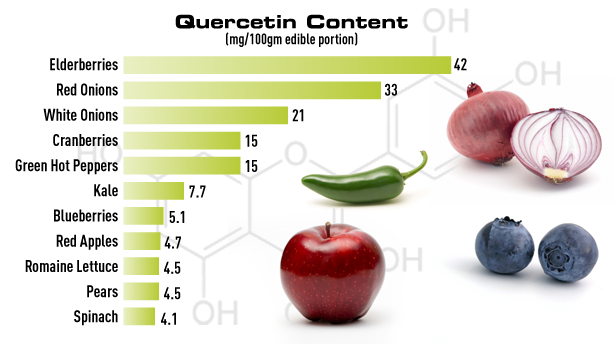
Quercetin is a natural substance belonging to a class of water-soluble plant pigments called flavonoids. It can be found in red wine, onions, apples and green tea. Smaller amounts are also found in leafy green vegetables and beans.
- Quercetin and Prostate Health
- Prostatitis is an inflammation of the prostate gland and is a condition that afflicts millions of men. Sometimes it presents as an acute bacterial infection and can be effectively treated with antibiotics. But often times it is chronic and nonbacterial. In these cases, treatment with antibiotics is ineffective.
- Nonbacterial chronic prostatitis affects an estimated 30 million men in the United States. Its chief symptom is chronic urogenital pain, and it is believed to impact quality of life as dramatically, as myocardial infarction and Crohn disease do. Its etiology is poorly understood, and standard antibiotic treatments have offered limited success.
- Dr. Daniel Shoskes MD and a team of researchers from UCLA have studied the use of quercetin in preclinical studies with kidney transplants. Their findings led them to conduct additional studies of quercetin, including the impact it might have on chronic nonbacterial prostatitis patients.
- Dr. Shoskes said "Chronic prostatitis is an enormous problem in our country and around the world. It's one of the most common reasons why men visit urologists, and it's one of the most discouraging conditions doctors face, because often times there's very little we can do to alleviate the pain."
- The research team concluded their study early and said their results certainly merited additional research.
DIM
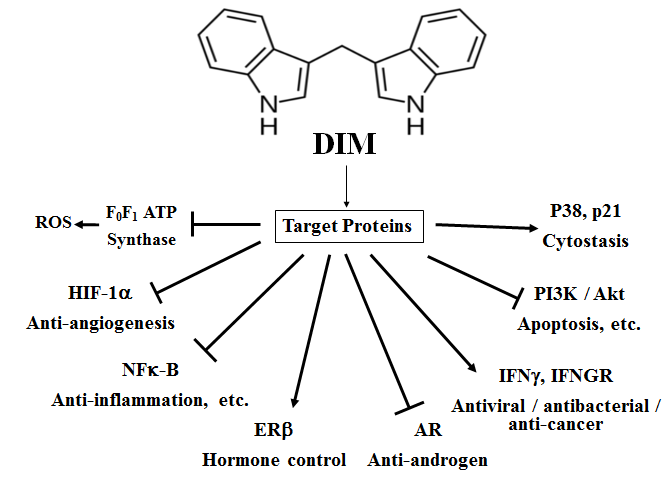
DIM (diindolylmethane) is a phytonutrient found in cruciferous vegetables including broccoli, brussels sprouts, cabbage, cauliflower and kale.
- DIM inhibits the production of aromatase (an enzyme which converts testosterone to estrogen).
- supports prostate health
- DIM supports a more efficient aerobic metabolism of estrogens.
- promotes an increased level of "good" estrogen metabolites (2-hydroxyestrogen) while reducing the level of "bad" estrogen metabolites (16-hydroxyestrogen).
- D.I.M. is formed from its precursor indole, Indole-3-carbinol (I3C), after the enzymatic release of I3C from parent glucosinolates found in all cruciferous vegetables.
- DIM is twice as strong as 13C
- You would have to eat two (4) pounds of cruciferous vegetables to get the same amount of DIM contained in two capsules of Estrogen Balance®
- promotes healthy estrogen
- promotes cardiovascular health
- promotes brain health
- promotes healthy cell growth
- in men it supports prostate health
- in women it supports breast, cervical and uterine health
DIM provides the following health benefits:
FlaxSeed
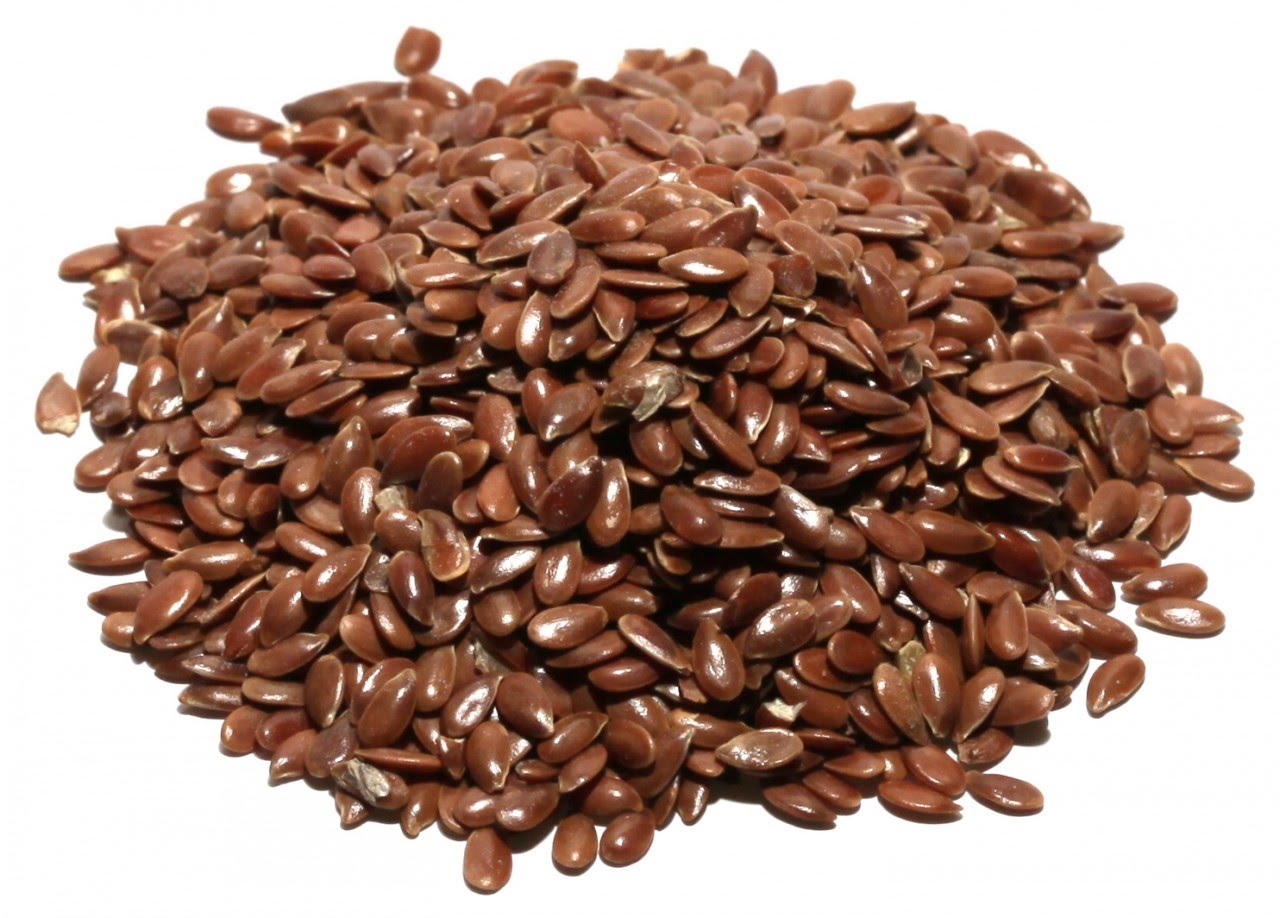
Contrary to common belief, not all dietary fat is bad. In fact some fats are not only "good" but "essential", meaning that the body can not synthesize them. These Essential Fatty Acids (EFAs) are polyunsaturated and classified as Omega-3's and Omega-6's. "Essential" fats are only good if taken in the proper balance. Most of us ingest too much omega-6's and very little (if any) omega-3's.
One of the best sources of omega-3 is Flaxseed. Flax is an ancient crop, native to Eurasia. Its first recorded use comes from Babylon -- about 3000 B.C. There, it was cultivated for food. It also was used to make a fabric used in clothing. Hippocrates, the ancient Greek physician called the "father of medicine," wrote extensively about flaxseed. And, the greatest of all medieval kings, Charlemagne, considered flax so important that he passed laws requiring its consumption.
Nutrition researchers have identified several substances in flaxseed that are thought to be the most important: lignans, fiber, and omega-3 fatty acids:
Lignans are phytoestrogens that are thought to bind to estrogen receptors in the body. Although lignans are found in most unrefined grains (barley, buckwheat, millet and oats), soybeans, and some vegetables (broccoli, carrots, cauliflower and spinach), flaxseed is the richest source. Flaxseed contains both soluble and insoluble fiber (about 28 grams total fiber per 100 grams of flaxseed). About one-third of the fiber is soluble.
The remaining two-thirds of the fiber in flaxseed is insoluble. Insoluble fiber may help support healthy digestion by increasing bulk, reducing the time that waste remains in the body and preventing constipation.
Flaxseed also is rich in alpha-linolenic acid (ALA) that is both an essential fatty acid and an omega-3 fatty acid.
Researchers are very interested in studying flaxseed. The American Institute for Cancer Research has recently funded a study testing the effects on lignans and breast tumor development in humans. There are numerous studies underway, where researchers are looking at the role omega-3 fatty acids may play in infant growth and development, heart disease and stroke and immune and inflammatory disorders as well.
Flaxseed and Hot Flashes in Women
A Mayo Clinic study is investigating the effect flaxseed may have on hot flashes in postmenopausal women who do not take estrogen.
A hot flash is often described as a flush of intense warmth across much of the body that may be accompanied by sweating, reddening of the skin, or, occasionally, cold shivers. Hot flashes occur in varying frequency and duration, even during sleep, and often cause or accompany sleep deprivation, anxiety and irritability.
"Hot flashes are a bothersome issue for women experiencing menopause," says Sandhya Pruthi, M.D., Mayo Clinic breast health specialist and the study's primary investigator. "We hope to find more effective nonhormonal options to assist women, and flaxseed looks promising."
Although until recently, hormone replacement therapy was the most commonly prescribed treatment for hot flashes, unwanted side effects have led to the search for non-hormonal solutions. Several effective non-hormonal drug therapies have been identified, but they are not always effective, and not all women can use them because of side effects. These limitations have led researchers to explore non-drug agents.
They have studied a variety of herbal and dietary supplements in randomized, placebo-controlled trials, including vitamin E, black cohosh and soy, but none has shown to produce any significant reduction in frequency or severity of hot flashes.
The 29 participants in Mayo's clinical trial were women with bothersome hot flashes who did not want to take acidic estrogen because of an increased risk of cancerous breasts. They also had not received (in the preceding four weeks) antineoplastic chemotherapy, androgens, hormonal agents, or other herbal supplements, including soy.
Participants were asked questions that the researchers translated into a hot flash score -- a combined measure of frequency and severity.
Flaxseed facts
- Flaxseed is nature's best source of omega-3 oils.
- Flax oil is a better source of omega-3 oils than fish oils.
- Flax seed is more nutritious than Flax oil because it contains lignans, that flax oil does not contain.
- Flaxseed may improve the absorption of both quercetin and D.I.M.
Estrogen Balance®
- In Men:
- Promotes Prostate Health
- In Women:
- Promotes Breast and Uterine Health
- In Men and Women:
- Promotes Cardiovascular Health
- Supports Healthy Estrogen
Contains:
60 capsules per bottle
(30 day supply)
- Quercetin
(250 mg per 2 capsules) - DIM (200 mg per 2 capsules)
- Flax Seed Oil Powder
(900 mg per 2 capsules)
Suggested use:
1 capsule twice per day
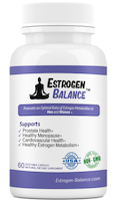
- 1 bottle
- $26.95
- 2 bottles $25.95 each
- $51.90
- 3 bottles $24.95 each
- $74.85
- 6 bottles $23.95 each
- $143.70
- 12 bottles $21.95 each
- $263.40
Estrogen Balance® Supplement Facts
|
Serving Size: 2 Capsules
Capsules per container: 60 Servings per container: 30 |
||
| Amount per Serving | % Daily Value | |
|---|---|---|
| Quercetin (as quercetin dihydrate) | 250 mg | * |
| D.I.M. (as di-indole methane) | 200 mg | * |
|
Flaxseed Oil Powder (standardized to contain 25% Alpha Linolenic Acid) |
900 mg | * |
Other ingredients: 100% Vegetable capsule, L-Leucine
Directions:
Take 1 capsule 2 times per day
Prostate Miracle® Advanced Formula
Contains:
60 capsules per bottle
(30 day supply)
- Beta Sitosterol
(300 mg/capsule) - Zinc (7.5 mg/capsule)
- Selenium (35 mcg/capsule)
- Vitamin D3 (1,000 iu's/capsule)
Suggested use:
1 capsule twice per day
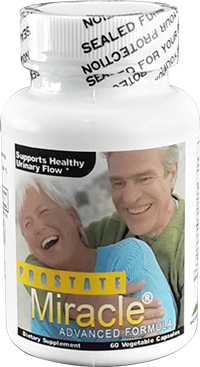
- 1 bottle
- $29.95
- 2 bottles $25.95 each
- $51.90
- 3 bottles $22.95 each
- $68.85
- 6 bottles $19.95 each
- $119.70
Prostate Miracle Advanced Formula® Supplement Facts
| Serving Size: 1 Capsule
Capsules per container: 60 Servings per container: 60 |
||
| Amount per 2 Servings | % Daily Value | |
|---|---|---|
|
Phytosterol Complex. (from non GMO Pine)
|
600 mg | * |
| Vitamin D3 (as cholecalciferol) | 2,000 iu's | 500% |
| Zinc (as Zinc Citrate) | 15 mg | 100% |
| Selenium (as Albion® Selenium Glycinate Complex) | 70 mcg | 100% |

*Daily value not established.
Other ingredients: 100% Vegetable capsule, L-Leucine
Directions:
Take one capsule in the morning and one in the evening.
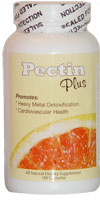
Pectin Plus®
- Supports Healthy Detoxification
- Supports Healthy Cholesterol
- Supports Cardiovascular Health
- Promotes Healthy Blood Pressure
- Promotes Healthy Cell Growth
- Promotes Healthy Immune Response
Contains:
180 capsules per bottle (30 day supply)
- Citrus Pectin
- Garlic Extract (odorless)
- Cilantro Extract
Suggested use:
3 capsules twice per day
- 1 bottle
- $29.95
- 2 bottles $28.95 each
- $57.90
- 3 bottles $27.95 each
- $83.85
- 6 bottles $26.95 each
- $161.70
- 12 bottles $24.95 each
- $299.40
Pectin Plus® Supplement Facts
|
Serving Size: 3 Capsules
Capsules per container: 180 Servings per container: 60 |
||
| Amount per Serving | % Daily Value | |
|---|---|---|
Citrus Pectin
|
1,500 mg | * |
Garlic Extract (oderless)
|
300 mg | * |
Cilantro Extract (20:1)
|
75 mg | * |
*Daily value not established.
Other ingredients: 100% Vegetable capsule, L-Leucine, Syloid®, Rice Flour and Water
Directions:
Take three capsule in the morning and three in the evening.
Prostate Duo Pack
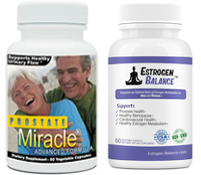
- 1 of each
- $54.95
- 2 of each $49.48 per duo
- $98.95
- 3 of each $45.32 per duo
- $135.95
- 6 of each $43.83 per duo
- $262.95
Prostate Trio Pack
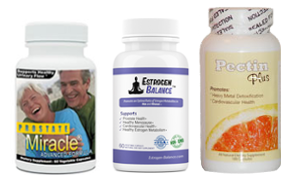
- 1 of each
- $83.95
- 2 of each $77.48 per trio
- $154.95
- 3 of each $72.65 per trio
- $217.95
- 6 of each $64.33 per trio
- $385.95
Other Products available from: NHS Global Distributors LLC
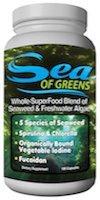
Sea of Greens®
A Whole-Superfood supplement, combining an optimal blend of sea vegetables and Freshwater algae.
read more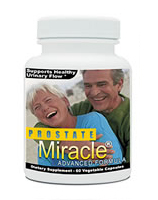
Prostate Miracle®
Trusted by thousands to support healthy urinary flow and prostate health.
read more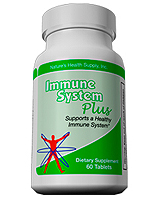
Immune System Plus™
An immune system support formula based on Beta Glutan, which is unsurpassed in it's ability to help support a healthy immune response.
read more
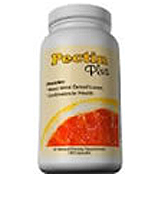
Pectin Plus®
Supports healthy detoxification, healthy blood pressure, healthy cholesterol levels and prostate health
read more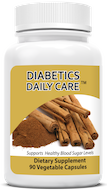
Diabetics Daily Care™
A Unique, 100% Natural Formula, which supports healthy blood sugar. Diabetics Daily Care™ is the most powerful formula of its kind.
read more
Contact
255 Rivertown Shops Dr.
Suite 102, PMB 128
Camarillo, CA 93011-0271
International: 1.805.322.0005
Thank you for visiting Estrogen-Balance.com
This information here within is designed to provide accurate information in regard to the subject matter covered. It is provided with the understanding that NHS Global Distributors LLC is not engaged in rendering medical advice. If expert assistance is required, the services of a competent medical professional should be sought. These statements have not been evaluated by the Food and Drug Administration. These products are not intended to diagnose, treat, cure or prevent any disease. Always read and follow manufacturer's directions that come with this product.
You are protected by the FDA Dietary Supplement and Nonprescription Drug Consumer Protection Act
please call 877.965.2140 or Click here to report any Adverse Reaction with Estrogen Balance®